
The Allure of Risk and Reward
One of the primary reasons people are drawn to casino games is the inherent thrill of risk and the potential for reward. This interaction triggers the brain’s reward pathways, leading to a rush of excitement similar to that experienced during other high-stakes activities. The anticipation of winning creates a cocktail of emotions that can be intoxicating, compelling individuals to return to the gaming floor or online platforms again and again. Many players explore options for entertainment, including casino sites not on gamstop, which offer additional choices.
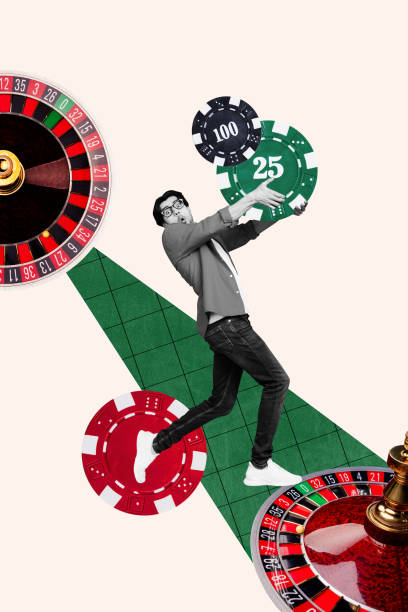
This psychological phenomenon is often referred to as “variable ratio reinforcement.” In simple terms, this means that players receive rewards at unpredictable intervals, which can make the experience more compelling. This strategy is designed to keep players engaged, as the uncertainty of winning can lead to repetitive play, even if losses occur more frequently than wins.
The Illusion of Control
Another fascinating psychological aspect of gambling is the illusion of control. Many players believe that they can influence the outcome of games through skill or strategy, even in games that are predominantly based on chance, such as slots or roulette. This sense of control can enhance the gaming experience and increase the likelihood of continued play.
Additionally, the belief in personal skill in games perceived as requiring strategy, like poker, can lead players to invest more time and money. This is often compounded by cognitive biases, such as the “gambler’s fallacy,” where individuals incorrectly assume that past outcomes can influence future results. Such misconceptions not only sustain the allure of gambling but also demonstrate the complex interplay between psychology and behavior in casino settings.
The Social Aspect of Gambling
The social environment of casinos plays a significant role in the psychology of gambling. Casinos are designed to facilitate social interaction, creating a communal atmosphere where players can share experiences, celebrate wins, and commiserate over losses. This social dynamic can enhance the enjoyment of gambling, making it a shared experience that fosters connections among players.
Socializing while gambling can also lead to a sense of belonging, particularly in communities where gaming is a cultural norm. The camaraderie found in card games or at slot machines can often overshadow the individual’s focus on winning, turning the act of gambling into a social event rather than just a pursuit of profit.
The Role of Marketing and Environment
The design and marketing strategies employed by casinos are intricately tied to their psychological effects on players. For instance, the use of bright lights, upbeat music, and the absence of clocks or windows creates an environment that encourages prolonged play. This carefully crafted ambiance can heighten emotional responses and make it easier to lose track of time and money.
Furthermore, casinos often employ techniques such as free drinks and loyalty programs to keep players engaged. These tactics not only enhance the immediate experience but also reinforce the habit of returning to gamble, as players begin to associate their gaming experiences with rewards, both tangible and emotional.

Your Journey with Us
At our website, we understand the intricate relationship between psychology and gambling. We prioritize your online safety and provide a seamless user experience, ensuring that you can explore the world of casino games with confidence. Our advanced security measures protect your data while you engage with our content, allowing you to delve into the fascinating aspects of gambling without worry.
Whether you are a seasoned player or just curious about the underlying motivations behind gambling, our platform is designed to inform and entertain. We encourage you to reach out with any feedback or questions, as your engagement is invaluable in enhancing your experience with us. Discover the psychology of gambling safely and securely as you navigate our offerings.